

YBT News
The latest news and stories from Yunbiotech.
Reasons for Frequent Ankle Sprains and Prevention Habits
-
 admin
admin
-
 2025-10-10
-
 88
88
Ankle is a crucial joint for walking and running in daily life. However, if you frequently experience ankle sprains or instability, it may indicate more than simple discomfort — it could be a sign of health issues. Below are the main causes of frequent ankle sprains and practical lifestyle habits to help prevent them.
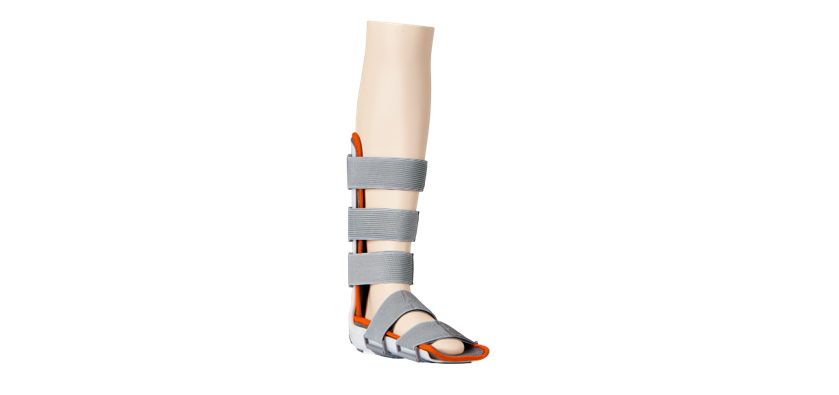
Main Causes of Frequent Ankle Sprains
- Ligament injury (Ankle Sprain)
An ankle sprain refers to the overstretching or tearing of the ligaments supporting the ankle. It’s the most common ankle injury, and repeated sprains reduce ligament elasticity and decrease ankle joint stability. Without timely treatment, this can progress to chronic ankle instability. - Muscle Weakness and Poor Balance
Weak muscles around the ankle and diminished balance can cause the ankle to give way easily, even with minor impacts. This is especially common in those who lack regular exercise or in elderly individuals. - Improper Footwear
Shoes with inadequate ankle support, slippery soles, or high heels place inappropriate pressure on the ankle and increase injury risk. Wearing shoes with good ankle support is recommended, especially during physical activity. - Unstable Surfaces
Walking or running on icy, uneven, or slippery terrain greatly increases the risk of ankle injury.
Lifestyle Habits to Prevent Ankle Sprains
- Strengthening and Flexibility Exercises
Regularly strengthening the muscles and ligaments around the ankle improves joint stability. Simple exercises like stretching and ankle rotations are highly beneficial. - Balance Training
Exercises such as single-leg stands or using balance boards improve the coordination between nerves and muscles, reducing ankle instability. - Proper Footwear Selection
Wear shoes with adequate ankle support and non-slip soles to reduce injury risk. - Avoid Abrupt Movements
Avoid sudden direction changes and strenuous motions in daily activities and exercise, and ensure thorough warm-ups to minimize injury risk. - Immediate Treatment and Rest After Injury
Apply RICE therapy (Rest, Ice, Compression, Elevation) soon after injury and seek medical evaluation if severe pain or persistent instability occurs.
Maintaining a healthy ankle requires consistency in these habits, and if instability persists, consulting a healthcare professional for appropriate evaluation and treatment is crucial.
References
- Mayo Clinic, "Ankle sprain", 2024, https://www.mayoclinic.org/diseases-conditions/ankle-sprain/symptoms-causes/syc-20353234
- American Academy of Orthopaedic Surgeons (AAOS), "Ankle Instability", 2023, https://orthoinfo.aaos.org/en/diseases--conditions/chronic-ankle-instability/
- Cleveland Clinic, "Sprained Ankle", 2024, https://my.clevelandclinic.org/health/diseases/21268-sprained-ankle
- WebMD, "Chronic Ankle Instability", 2024, https://www.webmd.com/fitness-exercise/guide/chronic-ankle-instability
- Johns Hopkins Medicine, "Preventing Ankle Injuries", 2023, https://www.hopkinsmedicine.org/health/wellness-and-prevention/preventing-ankle-injuries

