

YBT News
The latest news and stories from Yunbiotech.
Home Ankle Sprain: Causes, Symptoms, Treatment & Short Leg Splint Guide
-
 admin
admin
-
 2025-04-24
-
 200
200
Home Ankle Sprain: Causes, Symptoms, Treatment & Short Leg Splint Guide
The ankle is a body part that is easily injured even at home. Slipping on a wet floor or falling from a height are common causes. Below, we explain the causes of ankle sprains and how to treat them in detail.
Main Causes
- Slipping
- Twisting the ankle by slipping on a wet bathroom or kitchen floor.
- Reaching for Objects at Height
- Losing balance and falling, causing impact to the ankle.
- Lifting with Poor Posture
- Excessive pressure on the ankle can stretch or tear ligaments.
Injured Areas
- Lateral Ligaments
- Responsible for the stability of the outer ankle and most commonly injured.
- Deltoid Ligament
- Maintains the stability of the inner ankle; can be injured by severe impact.
Treatment Methods
1. First Aid: PRICE Protocol
- Protection: Immobilize the ankle to prevent further injury.
- Rest: Stop using the ankle and keep it stable.
- Ice: Apply ice for 15–20 minutes to reduce swelling and pain.
- Compression: Use an elastic bandage or splint to stabilize the ankle.
- Elevation: Keep the ankle elevated above heart level to reduce swelling.
2. Using a Short Leg Splint
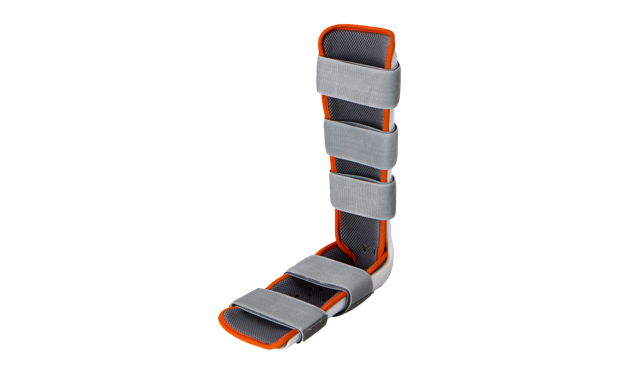
Short Leg Splints are used to immobilize the ankle joint, limit movement, and promote healing.
- Indications: Moderate or severe sprains, or during recovery after fractures.
- Effective Immobilization: Secures from the sole to below the knee for stability.
- Comfort: Padding provides protection and comfort during long-term wear.
Recommended Product: Starfix Short Leg Splint
- Effective Immobilization: Securely stabilizes the ankle and lower leg to promote healing.
- Eco-friendly Material: Made from biodegradable polymer, lightweight and environmentally friendly.
- Easy to Use: Velcro straps allow for easy adjustment and washing.
3. Consult a Specialist
- If symptoms are severe or pain persists, consult an orthopedic specialist.
- Imaging tests such as X-ray or MRI may be needed to check for fractures or ligament damage.
Prevention Tips
- Slip Prevention:
- Use non-slip mats in bathrooms and kitchens, and wipe up spills immediately.
- Maintain Proper Posture:
- Keep balance and use proper posture when lifting heavy objects or working at height.
- Stretching & Strengthening:
- Improve flexibility and stability with ankle stretches and strengthening exercises.
- Warm up properly before activities.
References
- Medcare, "Sprained Ankle: Symptoms, Treatment & Recovery"
- Pain Management NYC, "5 Steps To A Faster Ankle Sprain Recovery"
- Study.com, "Ankle Splints | Definition, Types & Uses"
- Nemours KidsHealth, "Ankle Sprains (for Teens)"
This information is provided for general reference only. Please consult a medical professional for advice tailored to your individual situation.

