
YBT News
The latest news and stories from Yunbiotech.
<Thumb>"Starfix: Everyday Injuries and Their Management Methods
-
 admin
admin
-
 2025-04-03
-
 186
186
Thumb Immobilization: Injury Management and Thumb Spica Splint Usage

Main Causes of Thumb Injuries
The thumb is one of the most frequently used body parts in daily life and sports activities. It is prone to various injuries caused by:
- Falls: When slipping on wet floors or stairs, the thumb can be excessively bent backward while bracing for impact.
- Repetitive Tasks: Overuse or twisting of the thumb during activities such as cleaning or cooking.
- Lifting Heavy Objects: Excessive force applied to the thumb while gripping or lifting objects.
Common Areas of Injury
- Scaphoid Fracture: A small bone connecting the wrist and thumb may fracture.
- UCL (Ulnar Collateral Ligament) Tear: The main ligament responsible for thumb stability may stretch or tear.
- De Quervain's Tenosynovitis: Inflammation of the tendon sheath around the thumb.
Treatment Methods
1. First Aid: RICE Method
- Rest: Stop using the thumb and keep it stable.
- Ice: Apply ice for 15–20 minutes to reduce swelling and pain.
- Compression: Use an elastic bandage or splint to immobilize the thumb.
- Elevation: Keep the thumb elevated above heart level to reduce swelling.
2. Using a Thumb Spica Splint
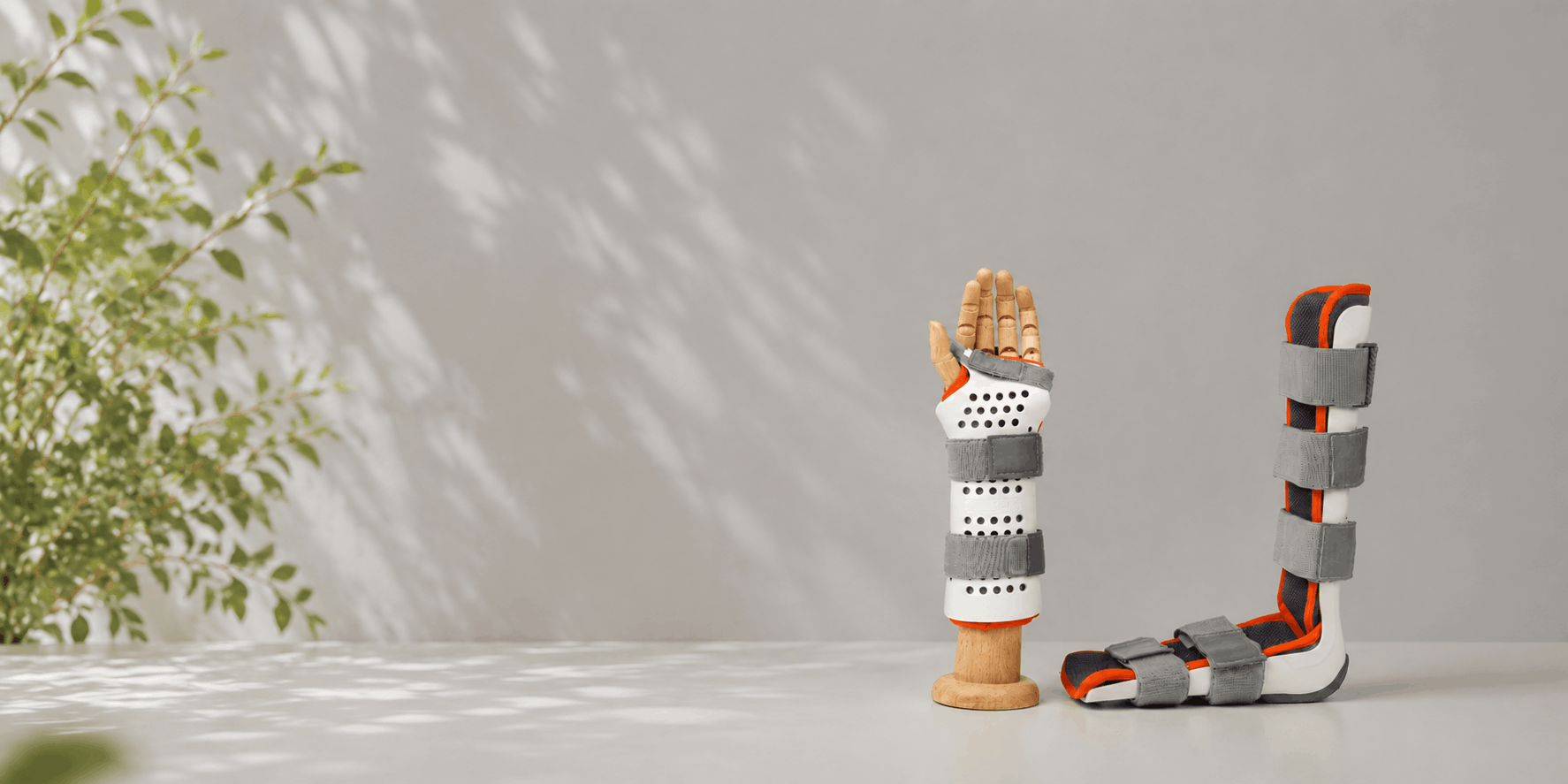
The Starfix Thumb Spica Splint is designed to immobilize the thumb and wrist, restricting movement and promoting healing.
Recommended Product: Starfix Thumb Spica Splint
- Effective Immobilization: Provides stable support for healing.
- Comfortable Fit: Made from lightweight materials for extended wear without discomfort.
- Easy Adjustment: Features Velcro straps for easy adjustment and is washable.
- Applications: Suitable for De Quervain's Tenosynovitis, Scaphoid fractures, ligament injuries, and more.
3. Consult a Specialist
If symptoms persist or are severe, consult an orthopedic specialist for accurate diagnosis through X-rays or MRI scans.
Prevention and Management Tips
- Avoid Falls:
- Use non-slip mats and remove obstacles to prevent accidents.
- Maintain balance and move carefully on stairs or icy surfaces.
- Wear Protective Gear:
- Use appropriate protective gear during repetitive tasks or sports activities.
- Stretching and Strengthening Exercises:
- Perform thumb stretches and strength exercises to enhance flexibility and stability.
- Warm up adequately before engaging in physical tasks.

