

YBT News
The latest news and stories from Yunbiotech.
"Why Splints and Physical Therapy Should Be Done Together? Part 1: Electrotherapy and Paraffin Therapy"
-
 admin
admin
-
 2025-01-13
-
 92
92
Electrotherapy and Paraffin Therapy
Discover the importance of combining physical therapy with the innovative GFIX splint for effective rehabilitation and recovery.
The Importance of GFIX Splints in Physical Therapy
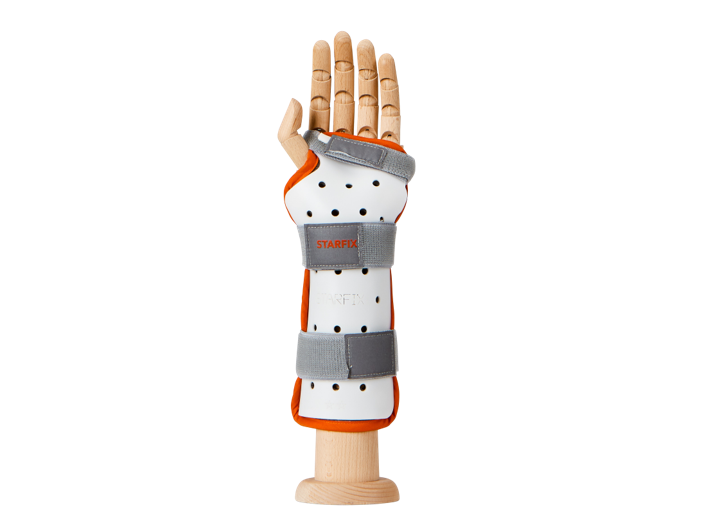
When undergoing physical therapy, using a convenient splint like the GFIX is highly recommended. GFIX splints are designed to stabilize injured areas while allowing for easy application and removal, thanks to their Velcro straps. This innovative design ensures seamless transitions during therapy sessions and maximizes rehabilitation outcomes.
Splints are crucial for maintaining joint stability, but prolonged use of traditional splints may lead to joint stiffness or muscle weakness. To prevent this and enhance recovery, combining electrotherapy or paraffin therapy with GFIX splints provides an optimal solution.
1. Electrotherapy
Electrotherapy uses small electrical stimuli to relieve pain and restore the functions of injured muscles and nerves. It is highly effective in treating conditions like arthritis, nerve damage, and muscle weakness.
Therapy Process
- Preparation: The patient removes the GFIX splint by simply unfastening its Velcro straps. The therapist places electrode pads around the affected area.
- Starting Electrical Stimulation: Low-intensity current is applied, adjusted to the patient’s comfort level.
- Session Progression: The therapy session lasts for 10–30 minutes, during which the muscles contract and relax to promote blood circulation and functional recovery.
- Post-Therapy: Once the session is complete, the GFIX splint is easily reapplied to stabilize the treated area.
Applicable Conditions and Benefits
- Knee Arthritis: Stimulates the quadriceps to restore joint stability and mobility.
- Lower Back Pain: Relaxes the quadratus lumborum to alleviate discomfort.
- Rotator Cuff Injuries: Improves shoulder mobility by stimulating the supraspinatus and infraspinatus.
- Wrist Pain: Relieves symptoms of carpal tunnel syndrome by stimulating surrounding muscles and nerves.
Notable Benefits (Results may vary)
- Quick pain relief: Many patients experience reduced pain immediately after therapy.
- Muscle recovery: Reactivates weakened muscles, preventing muscle atrophy.
- Safety: Non-invasive treatment with minimal risk of side effects.
2. Paraffin Therapy
Paraffin therapy uses warm paraffin wax applied to hands, feet, or joints to gently relax muscles and joints. It is particularly effective in relieving joint stiffness and pain that may result from prolonged splint use, including the GFIX.
Therapy Process
- Preparation: The patient removes the GFIX splint using its Velcro straps. The therapist prepares the paraffin wax at the appropriate temperature.
- Wax Coating: The affected area is dipped into the wax 6–8 times to ensure sufficient heat transfer.
- Retention and Relaxation: The area is wrapped in plastic and towels to retain heat for 15–20 minutes, promoting relaxation.
- Post-Therapy: The wax is removed, followed by light massage or stretching, and the GFIX splint is reapplied for stabilization.
Applicable Conditions and Benefits
- Hand Arthritis: Reduces stiffness and pain in finger joints and surrounding muscles.
- Plantar Fasciitis: Relaxes the muscles of the soles and alleviates inflammation.
- Wrist Pain: Eases tension in wrist joints and improves muscle flexibility.
Notable Benefits (Results may vary)
- Relaxation: Eases joint and muscle tension, reducing stiffness.
- Moisturizing: Keeps skin soft and hydrated, offering additional hand and foot care benefits.
- Simplicity and Safety: Easy to perform without requiring special equipment, even at home.
Conclusion
Electrotherapy and paraffin therapy offer unique benefits and can be used individually or together, depending on the patient's condition. The GFIX splint’s convenient Velcro straps make it ideal for stabilizing injured areas while allowing seamless transitions during therapy.
Yun Biotech is committed to providing safe and effective rehabilitation solutions based on the latest technology and scientific research.

