
YBT News
The latest news and stories from Yunbiotech.
[BioGrab] Why You Shouldn't Ignore a Sprained Ankle! Short Leg (Ankle) Splint Immobilization Principles and Management
-
 admin
admin
-
 2026-09-08
-
 6
6
[BioGrab] Why You Shouldn't Ignore a Sprained Ankle! Short Leg (Ankle) Splint Immobilization Principles and Management
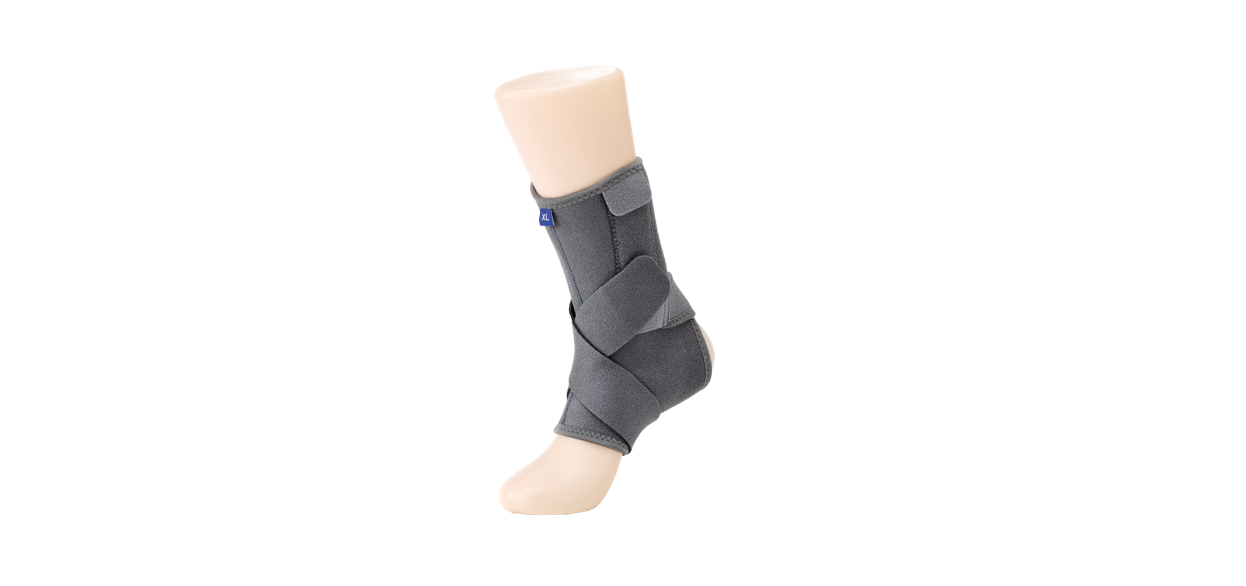
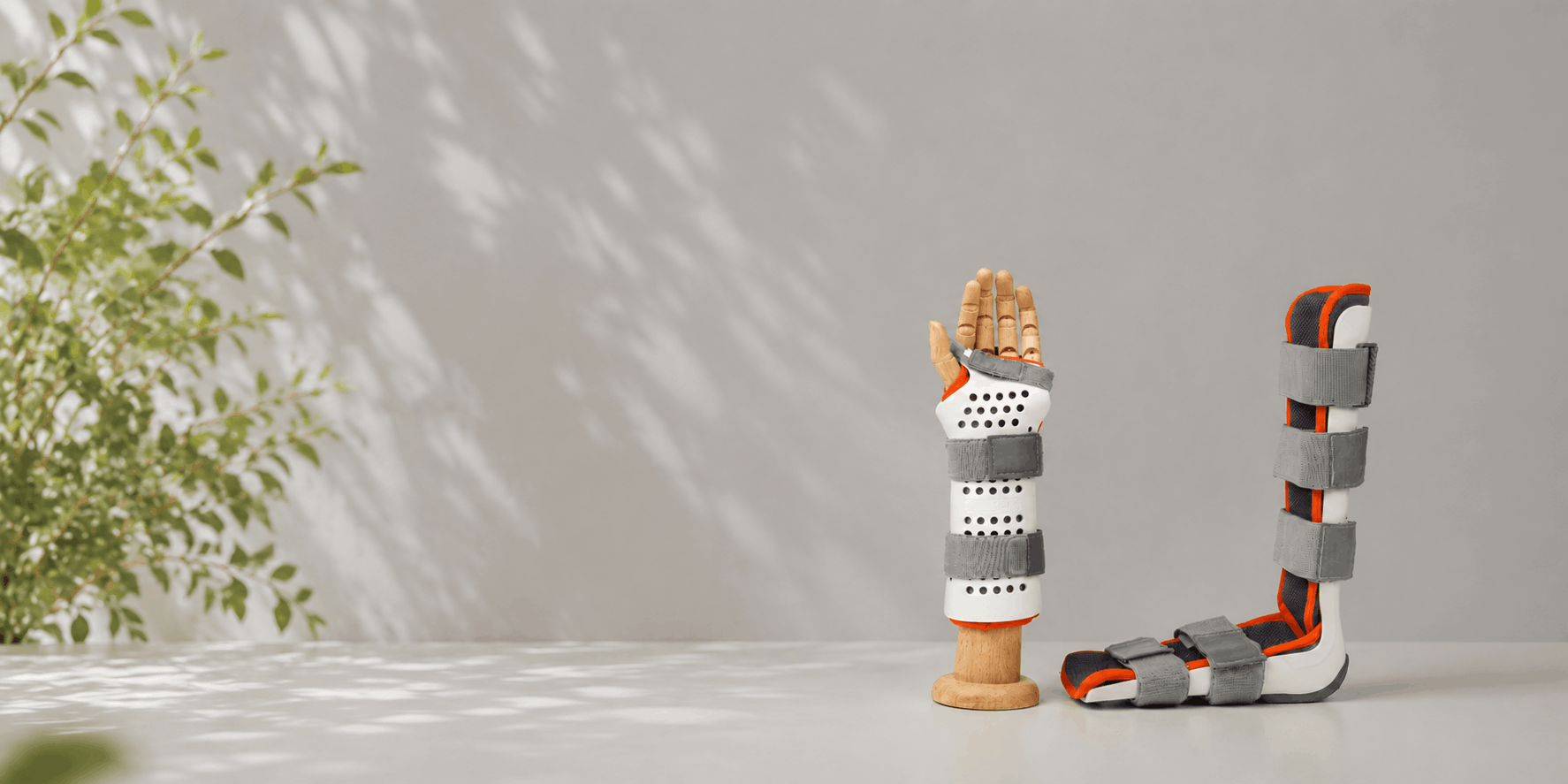
You've probably experienced twisting your ankle and screaming in pain while walking down the stairs or exercising. Commonly referred to as a "sprained ankle," an Ankle Sprain can worsen into chronic ankle instability, where you repeatedly twist your ankle from minor impacts, if not properly immobilized early on. The key device that firmly supports the injured ligaments in the early stages of injury and aids in stable recovery is the BioGrab Short Leg (Ankle) Splint.
1. The Core of Ankle Injuries: Why Are the 'Lateral' Ligaments Mostly Injured?
Most ankle sprains are 'inversion' injuries, where the sole of the foot turns inward. This phenomenon is not merely a coincidence but has clear anatomical reasons and statistical evidence.
- Overwhelming Incidence Rate: According to official data from the American Academy of Orthopaedic Surgeons (AAOS), approximately 90% of all ankle sprains are inversion injuries.
- Concentration of Injury Sites: According to epidemiological studies in sports medicine, 85% of ankle injuries visiting the emergency room are inversion sprains, and among them, the anterior talofibular ligament (ATFL), which supports the outer ankle, accounts for about 65% of the injuries.
This is because the deltoid ligament supporting the inside of the ankle is very thick and strong, whereas the lateral ATFL and calcaneofibular ligament (CFL) are relatively thin and easily rupture as they cannot withstand the tension when the foot is twisted.
2. The Anatomical Role of the Short Leg Splint and the '90-Degree Rule'
There is a significant difference in recovery outcomes between simply applying a compression bandage and applying a splint with a rigid frame. The short leg splint is applied in an L-shape from the back of the calf to the sole of the foot to thoroughly immobilize the joint.
- Maintaining a 90-Degree Ankle Angle (Neutral Position): This is the most important key when applying a splint. If the ankle is not fixed at 90 degrees and hardens with the toes pointing downward (plantar flexion), the Achilles tendon at the heel will contract. If this condition persists, normal walking will be difficult when the splint is later removed, and the rehabilitation period will increase exponentially.
- Edema Control and Weight-Bearing Prevention: It physically controls the severe swelling in the early stages and blocks the load placed on the injured ligaments to prevent secondary ruptures.
3. Why Choose the 'BioGrab Short Leg (Ankle)' Splint?
Since changes in swelling and pain are severe in the initial immobilization stage, precise adhesion and fixation tailored to the patient's body type are essential. The BioGrab Short Leg Splint reflects the strict demands of clinical settings and provides the following outstanding features.
- Excellent Anatomical Moldability: It adheres precisely without lifting, conforming to the different calf curves, foot arches, and malleolus (ankle bone) shapes of each patient. It prevents skin ulcers (bedsores) by distributing pressure on bony prominences.
- Harmony of Strong Support and Lightweight: While maintaining rigidity that holds the injured ankle firmly without shaking, it boasts a lightweight design that minimizes the load burden on the patient.
- Comfortable Skin Protection Padding: Due to the nature of a lower leg splint covering the entire leg, breathability is directly linked to patient compliance. BioGrab uses an inner lining material with excellent sweat absorption and ventilation, making every effort to prevent skin maceration.
4. Initial Ankle Injury Management at Home (R.I.C.E. Protocol)
- Rest: Minimize ankle use and avoid walking excessively.
- Ice: Apply ice packs intermittently for 20 minutes to reduce swelling during the first 48 to 72 hours after the injury.
- Compression: Securely compress the affected area using the BioGrab splint and an elastic bandage.
- Elevation: When lying down, placing a cushion under the foot to elevate it above the heart is highly effective in reducing swelling.

