
YBT News
The latest news and stories from Yunbiotech.
Radial Gutter Splint: Anatomical and Muscle Support Overview
-
 admin
admin
-
 2025-11-05
-
 118
118
Radial Gutter Splint: Anatomical and Muscle Support Overview
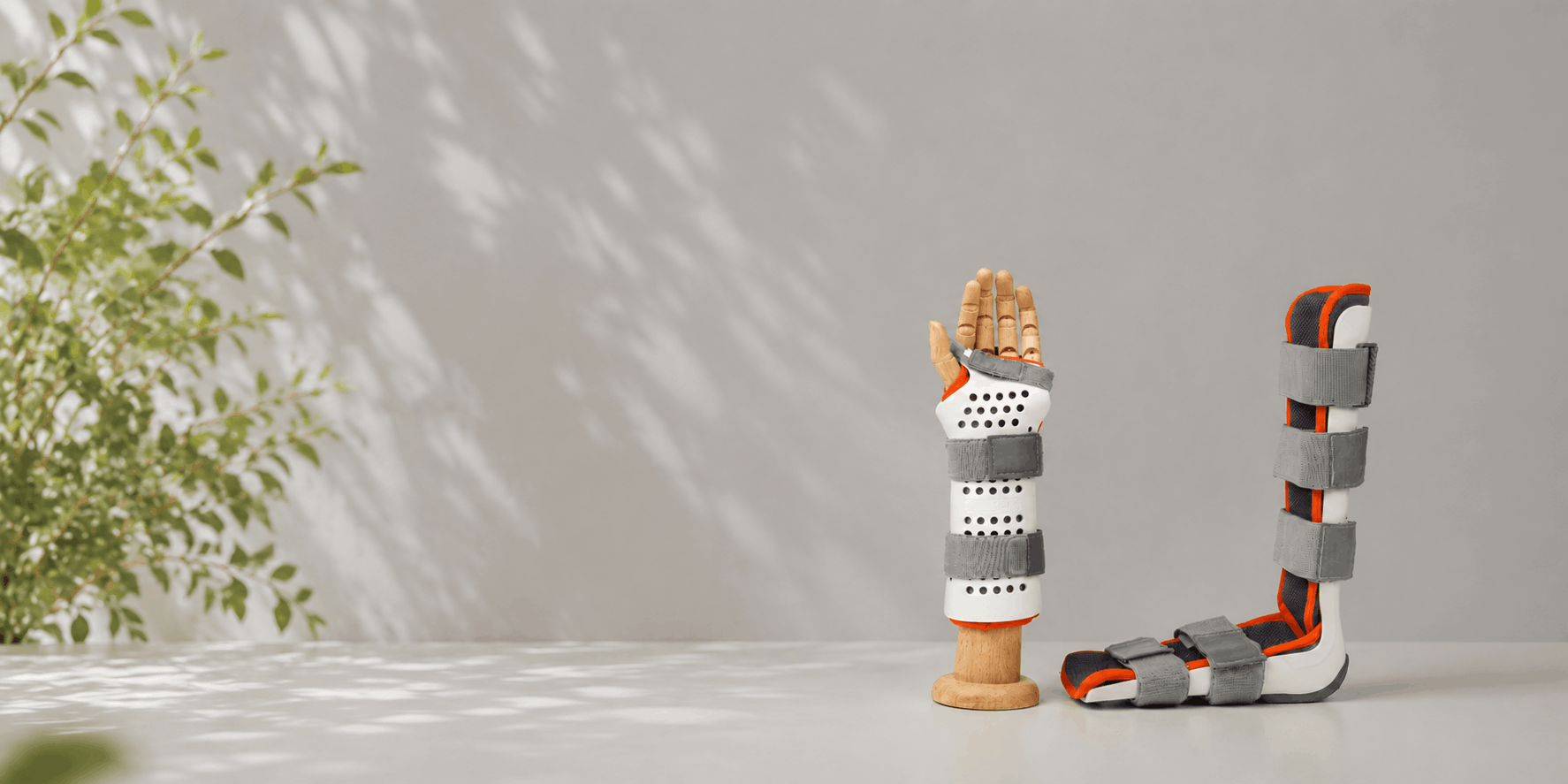
The radial gutter splint is primarily designed to stabilize and protect the radial (thumb-side) portion of the hand and wrist. It is used in the treatment or prevention of injuries involving the thumb through the ring finger, providing partial immobilization while preserving functional movement.

Primary Supporting Muscles
- Flexor and Extensor Muscles on the Radial Side: Includes extensor pollicis longus and brevis, flexor carpi radialis, and other forearm muscles on the radial aspect. These muscles are essential for precision finger movements and wrist stability, both supported by the splint’s structure.
- Thenar Muscles: The group of thumb muscles responsible for flexion and abduction, including flexor pollicis brevis and abductor pollicis brevis. The splint provides protection while allowing limited motion for functional mobility.
Nerve Protection and Considerations
- Radial Nerve: Runs along the radial side of the forearm and controls wrist and finger extension. Careful fitting and adequate padding are necessary to avoid nerve compression or injury.
- Median and Ulnar Nerves: Although the splint primarily supports the radial side, compression around the middle and ring finger regions should be checked to ensure there is no sensory loss or restricted motion due to improper fit.
Precautions for Application
- Proper Fixation and Alignment: The radial gutter splint must align correctly with the affected fingers and joints—especially the PIP and DIP joints—to prevent secondary strain or malalignment.
- Functional Mobility: Instead of total immobilization, the design encourages limited movement to prevent muscle atrophy and facilitate recovery during long-term use.
- Comfort and Compression Prevention: Sufficient internal padding, proper Velcro adjustment, and breathable materials help reduce the risk of nerve compression, tissue damage, and skin irritation.
References
- Cleveland Clinic, “Wrist Sprain Causes and Treatments.”
- Mayo Clinic, “Sprains Overview and Treatment.”
- American Academy of Orthopaedic Surgeons (AAOS), “Hand and Wrist Injuries.”

