
YBT News
The latest news and stories from Yunbiotech.
Cock-Up Splint: Anatomical Support and Fixation Overview
-
 admin
admin
-
 2025-11-05
-
 112
112
Cock-Up Splint: Anatomical Support and Fixation Overview
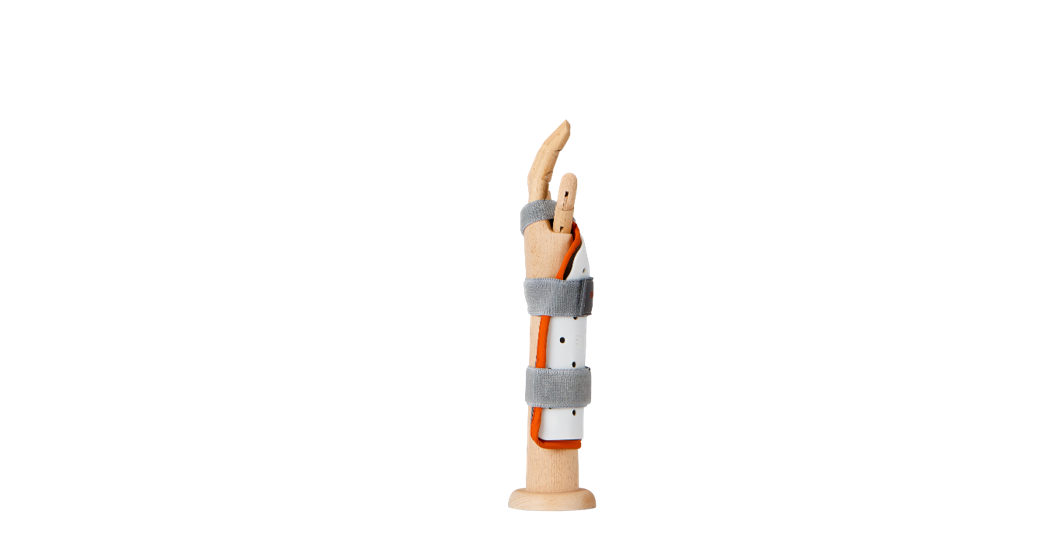
The cock-up wrist splint holds the wrist in an extended position of approximately 10–30 degrees. It stabilizes the wrist joint and forearm muscles to reduce strain, relieve inflammation, and aid in functional recovery.
Primary Supporting Muscles
- Wrist Extensor Muscles: Includes extensor carpi radialis longus and brevis and extensor carpi ulnaris. These are responsible for extending the wrist. The splint maintains this extension, allowing injured tissues to rest and recover.
- Forearm Flexor Muscles: Includes flexor carpi radialis, flexor carpi ulnaris, and finger flexors. The cock-up splint limits their excessive motion to stabilize inflamed regions.
- Biceps and Triceps Brachii: These upper arm muscles influence wrist and upper limb movements. Muscle activation patterns change when the splint is worn, especially with triceps engagement during lifting tasks.
Nerve Considerations
- Radial Nerve: Runs along the posterior forearm near wrist extensors. Proper padding and alignment prevent compression.
- Median Nerve: Passes through the carpal tunnel to control palm and finger functions. The cock-up position helps decrease carpal tunnel pressure, beneficial for those with carpal tunnel syndrome.
- Ulnar Nerve: Travels along the ulnar side of the wrist and is responsible for certain hand movements and sensations. Avoid excessive pressure on this area when fitting the splint.
Precautions for Use
- Maintain Proper Extension Angle: An extension of 10–30 degrees is ideal. Excessive extension may compress nerves and reduce blood flow.
- Prevent Nerve Compression: Adjust internal padding and Velcro tightness to avoid pressure-related paresthesia or nerve irritation.
- Monitor Muscle Fatigue and Circulation: Long-term use may cause muscle tension and decreased circulation. Educate patients and schedule regular wear-time adjustments.
- Allow Finger and Arm Mobility: Design should allow partial MCP joint and finger motion to prevent stiffness or muscle atrophy.
References
- Cleveland Clinic, “Wrist Sprain Causes and Treatments.”
- Mayo Clinic, “Sprains Overview and Treatment.”
- American Academy of Orthopaedic Surgeons (AAOS), “Hand and Wrist Injuries.”

