
YBT News
The latest news and stories from Yunbiotech.
Gatekeeper’s Thumb: Fascinating Origins, Treatment, and the Role of Splints
-
 admin
admin
-
 2024-12-17
-
 108
108
Gatekeeper’s Thumb
Gatekeeper’s Thumb is a unique injury name that originates from the repetitive tasks of European gamekeepers in the past. This condition, caused by damage to the ulnar collateral ligament (UCL) of the thumb, is still common today in sports, physical labor, and even everyday activities. Splints play a vital role in treating and managing this injury. Let’s explore the intriguing history of Gatekeeper’s Thumb, its modern implications, and how splints can aid in its prevention and treatment.
The Origin of Gatekeeper’s Thumb
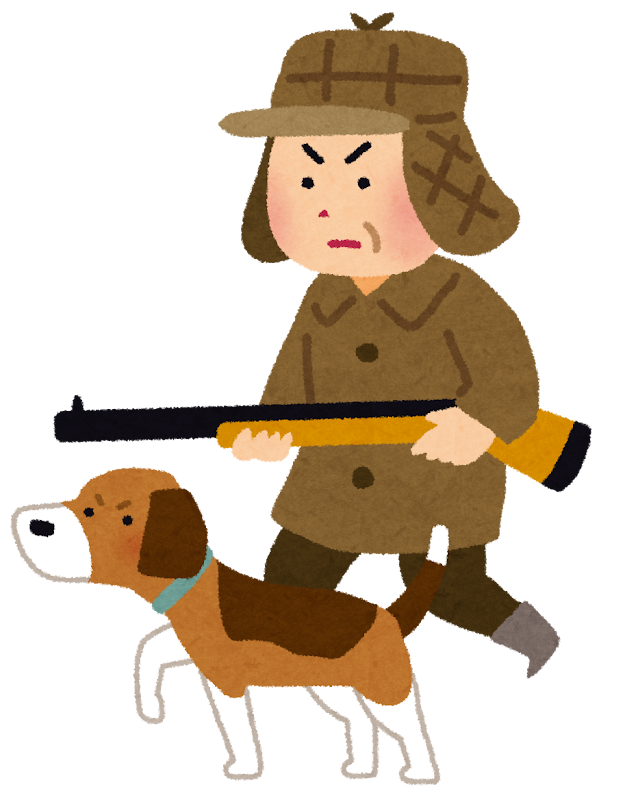
Gatekeeper’s Thumb derives its name from the repetitive tasks performed by gamekeepers in old Europe.
- Gamekeepers managed hunting grounds and controlled small animal populations.
- They often used their thumb and index finger to break the necks of birds and other small animals, placing significant strain on the thumb’s UCL.
- Over time, repetitive stresses weakened the ligament, leading to chronic instability and pain in the thumb joint.
- The term Gatekeeper’s Thumb highlights the injury’s occupational origin.
Today, this injury often occurs in sports like skiing, where it’s known as Skier’s Thumb.
Symptoms and Diagnosis
Key Symptoms
- Pain and swelling at the base of the thumb (MCP joint).
- A feeling of instability in the thumb, especially when gripping objects.
- Difficulty moving the thumb or abnormal mobility when pressure is applied.
- In severe cases, a Stener lesion may occur, preventing natural healing.
Diagnosis Methods
- Valgus Stress Test: Assesses ligament stability by gently moving the thumb sideways.
- X-ray and MRI: X-rays rule out fractures, while MRIs detect ligament tears and complications.
Treatment: The Role of Splints
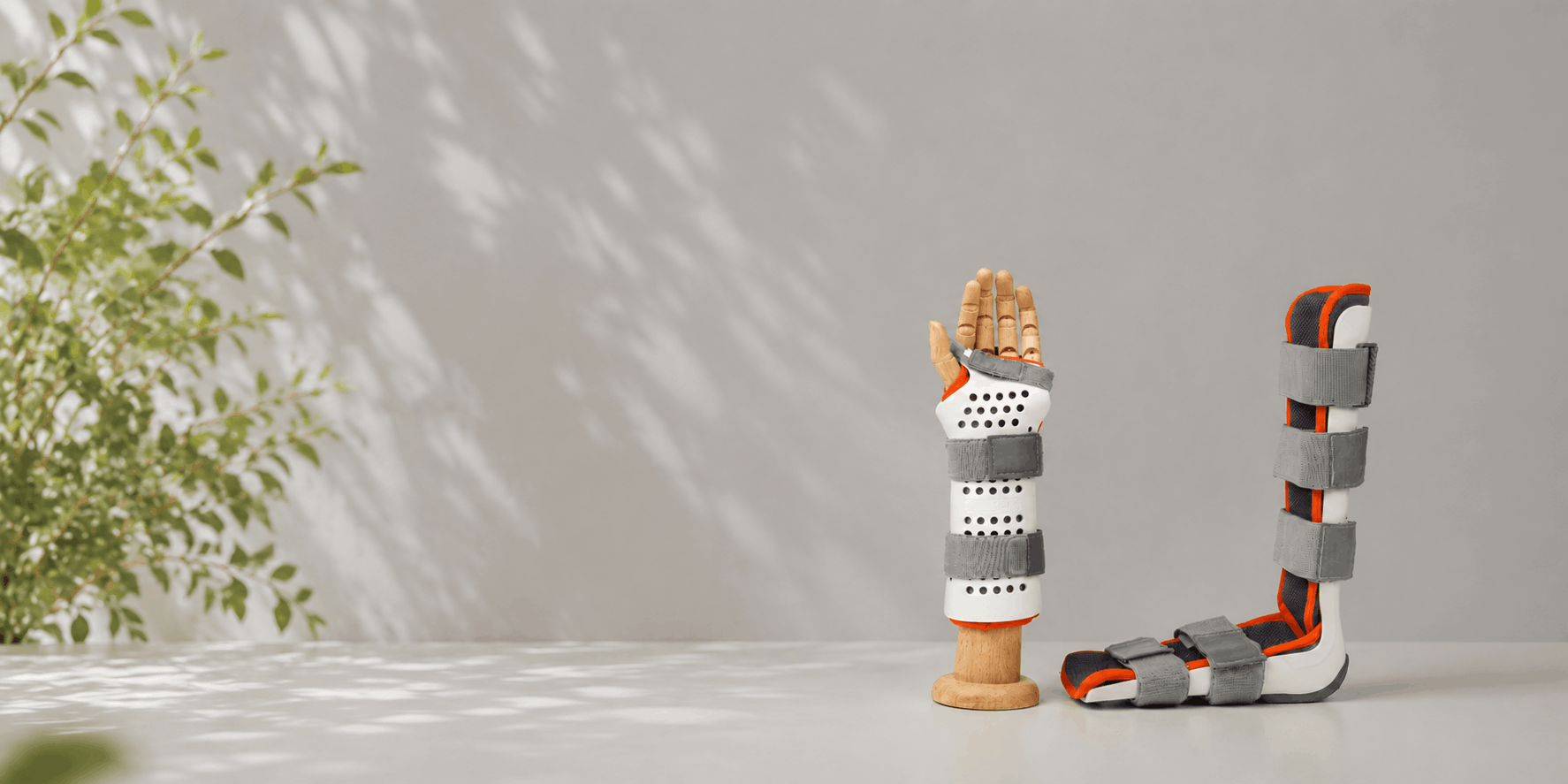
Splints are essential for treating Gatekeeper’s Thumb, especially in mild to moderate cases. They immobilize the thumb, allowing proper ligament healing and reducing further damage.
Thumb Spica Splint
The Thumb Spica Splint is designed to stabilize the thumb while allowing limited hand mobility.
How to Use
- Preparation: Apply ice to reduce swelling and add padding for comfort.
- Positioning: Secure the thumb in a neutral position with Velcro straps or tape.
- Wear Duration: Use the splint for 4–6 weeks, followed by physical therapy.
- Emergency Immobilization: Use improvised materials like cardboard if no splint is available.
Prevention Tips
1. Take Breaks
- Reduce thumb strain during repetitive tasks like typing or gardening.
- Perform gentle stretches to relax thumb ligaments.
2. Use Protective Gear
- Wear gloves during sports or labor-intensive activities to absorb shocks.
3. Strengthen Thumb Muscles
- Perform rubber band exercises to strengthen the UCL.
- Use grip strengtheners for overall hand stability.
4. Avoid Sudden Impacts
- Release ski poles during falls to avoid ligament strain.
Conclusion
Gatekeeper’s Thumb is a historical reminder of how repetitive tasks shaped human health. Splints play a critical role in recovery, preventing long-term complications and enabling faster healing. Whether you’re an athlete or simply managing daily tasks, prevention and proper care are essential for thumb health.
The content provided here is intended for reference purposes only. If you are experiencing any medical issues, it is most important to consult with a doctor. Wishing you a speedy recovery!
References
- American Academy of Orthopaedic Surgeons (AAOS): https://www.aaos.org
- Mayo Clinic: https://www.mayoclinic.org
- "Orthopaedic Sports Medicine: Principles and Practice" (Mark D. Miller et al.)
- "Rehabilitation of the Hand and Upper Extremity" (Terri M. Skirven et al.)
- "Netter's Orthopaedic Clinical Examination" (Jon C. Thompson)

