

YBT News
The latest news and stories from Yunbiotech.
Ankle Injuries and Related Conditions(leg splint)
-
 admin
admin
-
 2024-09-26
-
 114
114
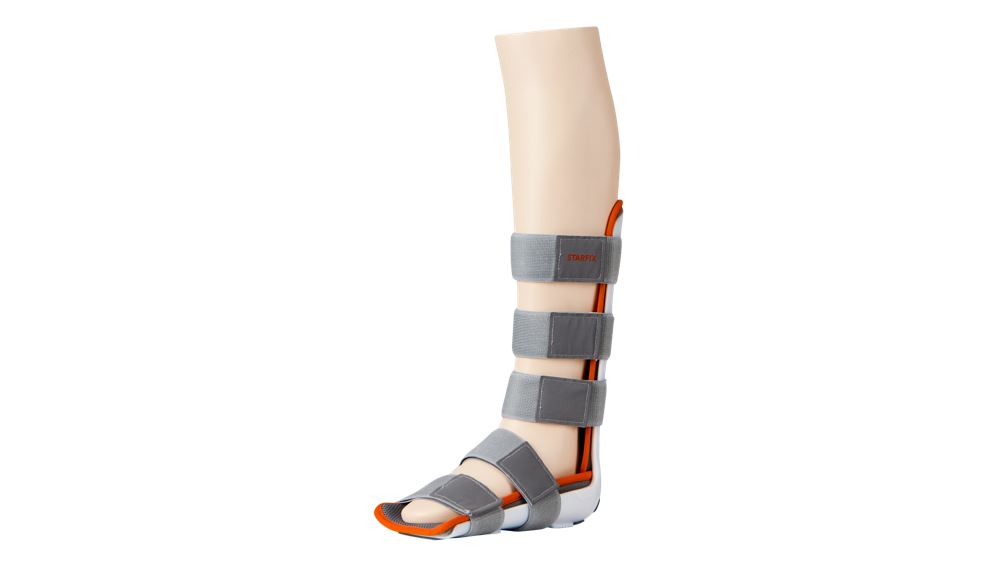
Ankle injuries are not only painful but also can significantly impact your mobility. Whether it's a mild sprain or a more serious fracture, knowing how to stabilize and care for your ankle injury is crucial. In this guide, we will walk you through the types of ankle injuries, first aid practices, and how to properly use an ankle splint to ensure optimal recovery.
Ankle Injuries and Related Conditions
There are several types of ankle injuries, and the splint can be used to stabilize a variety of conditions, including:
- Ankle Sprain: An ankle sprain occurs when the ligaments in the ankle are stretched or torn. This typically happens from twisting the foot or sudden movements.
- Ankle Fracture: A broken ankle, where one or more bones in the ankle are fractured, often due to trauma.
- Ankle Tendonitis: Inflammation of the ankle tendons caused by overuse or repetitive strain.
- Ankle Arthritis: Arthritis can cause chronic pain and restricted movement in the ankle. Splints help immobilize the joint, reducing unnecessary movement and alleviating symptoms.
- Achilles Tendon Rupture: When the Achilles tendon is injured, walking becomes difficult. Post-surgery, splints can be used to immobilize the ankle for proper recovery.
- Ankle Dislocation: A dislocated ankle occurs when the bones in the ankle are moved out of their normal positions. Immediate treatment is required.
First Aid and Care Guidelines
If an ankle injury occurs, you can perform the following first aid measures at home before visiting a hospital:
RICE Method
- Rest: Avoid using the injured area and refrain from excessive movement.
- Ice: Apply ice for 15-20 minutes, 3 to 4 times a day, to reduce swelling.
- Compression: Use compression bandages to control swelling and prevent further injury.
- Elevation: Keep the foot elevated above the heart to reduce swelling and pain.
Splint Application
Splints are highly effective in immobilizing the ankle and preventing further damage. In case of severe injuries, applying a splint before visiting the hospital can help stabilize the ankle. Be sure not to fasten the splint too tightly. If persistent pain occurs, seek medical advice immediately.
Pain Relief
If the pain is severe, non-steroidal anti-inflammatory drugs (NSAIDs) may be taken under the guidance of a medical professional. (Be sure to check for any allergies to medications)
References
- Mayo Clinic - Ankle Sprain
- American Academy of Orthopaedic Surgeons (AAOS) - Ankle Fracture
- American Academy of Orthopaedic Surgeons (AAOS) - Achilles Tendon Injuries
- WebMD - Ankle Injuries and First Aid
Yunbiotech wishes you a speedy recovery. This information is based on general knowledge, and consulting a medical professional for specific situations is always the safest approach.

