
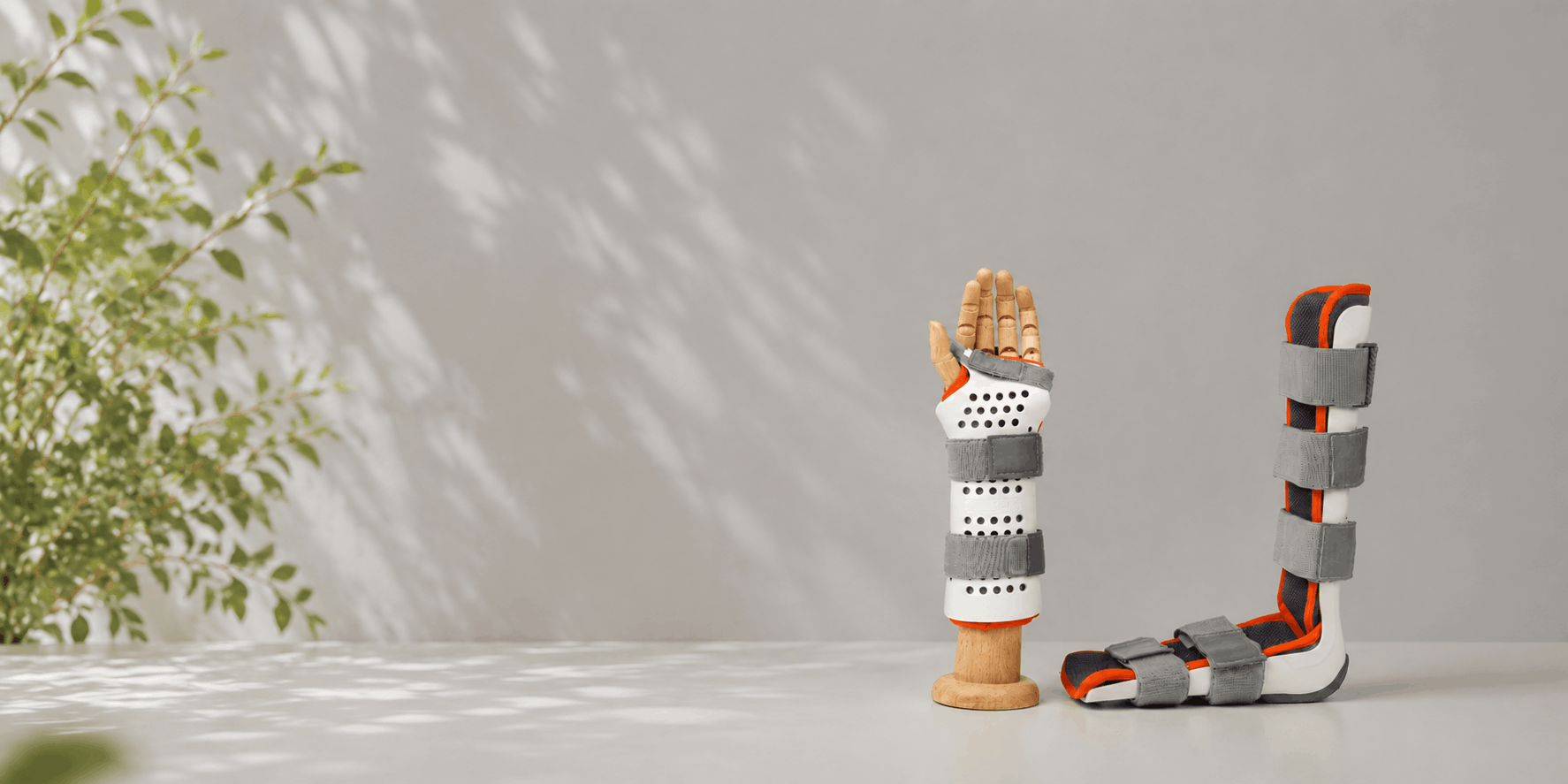



Symptoms that occur while wearing a splint vary depending on individual skin characteristics and the severity of the injury. This guide provides general information based on orthopedic guidelines. All actions regarding the removal, attachment, cleaning, and treatment of skin conditions related to the splint must strictly follow the instructions of the attending physician (Orthopedic Surgeon or Rehabilitation Specialist) who has directly diagnosed the patient's condition.
Experiencing skin itching (Pruritus) and odor while wearing a splint or cast is a common discomfort for many patients. Based on guidelines from reputable medical journals and orthopedic societies, this article explains the clear medical causes of these symptoms and provides safe methods for managing them.
1. Medical Causes of Itching and Odor
According to the American Academy of Orthopaedic Surgeons (AAOS) and dermatology journals, skin troubles inside an immobilization device primarily occur due to an 'Occlusion (closed environment)'.
- Accumulation of Dead Skin Cells and Sweat: Normal skin sheds through daily friction and showering. However, under the sealed environment of a splint, the stratum corneum (dead skin cells) continues to build up. When mixed with sweat, this causes the skin to become pale, softened, and wrinkled, a condition known as Maceration.
- Overgrowth of Normal Skin Flora: A warm, moist, and enclosed environment is the perfect breeding ground for normal skin flora, such as staphylococcus and fungi, to overgrow. As these bacteria break down dead skin cells and sweat, they produce a distinct odor and cause severe itching.
2. Splint Hygiene Rules Based on International Orthopedic Guidelines
Official patient guides from the Mayo Clinic and AAOS strictly recommend the following behavioral guidelines.
Don'ts
- Do Not Insert Foreign Objects: No matter how itchy it gets, you must never insert rulers, pens, coat hangers, or similar items to scratch the skin. Micro-abrasions in a sealed environment can lead directly to fatal secondary bacterial infections (e.g., cellulitis, wound necrosis).
- Do Not Apply Powders or Lotions: Pouring powder, perfume, or lotion into the splint will cause it to clump with sweat, clogging skin pores and accelerating bacterial growth.
Medically Recommended Dos
- Use a Hairdryer on Cool Air: To remove moisture and relieve itching, blow air into the gaps of the splint using the 'Cool' setting on a hairdryer. (※ Warning: Using warm or hot air in a sealed space can trap heat and cause severe burns.)
- Apply Cold Therapy to the Exterior: If the itching is severe, applying an ice pack to the outside of the splint will lower the local temperature, temporarily dulling the nerve transmissions that cause itching.
3. Clinical Impact of Materials and Breathable Design on Recovery
Clinical studies show that the breathability of an immobilization device goes beyond simple convenience; it directly affects the incidence of skin complications and the speed of tissue recovery.
- Moisture Release and Wound Healing: Compared to traditional plaster casts that block airflow, splints with a porous (mesh) structure that allow air circulation significantly reduce skin maceration.
- Balancing Hygiene and Immobilization: Modern braces, such as STARFIX, which utilize Air-Mesh materials and customizable compression systems, effectively expel body heat and moisture from the affected area. This lowers the risk of dermatitis while allowing for regular inspection and disinfection of the affected area under a specialist's supervision.???? Official Sources and References
- American Academy of Orthopaedic Surgeons (AAOS): Care of Casts and Splints Official Patient Guide.
- Mayo Clinic: Cast care: Do's and don'ts for taking care of a cast.
- Journal of the American Academy of Orthopaedic Surgeons (JAAOS): Complications of Casts and Splints (Halanski & Noonan, 2008).
- Korean Orthopaedic Association: Orthopaedics 8th Edition - Conservative Treatment Guidelines for Fractures and Ligament Injuries.
⚠️ [Precautions and Clinical Warnings]
This guide provides general medical information only. If the odor from the splinted area worsens, the skin turns blue or white, or if you experience loss of sensation (numbness), worsening swelling, or extreme pain, these may be signs of circulation issues, nerve compression, or a severe skin infection. In such cases, stop any arbitrary manipulation immediately and visit an Orthopedic Surgeon or Rehabilitation Specialist for a medical evaluation.

