
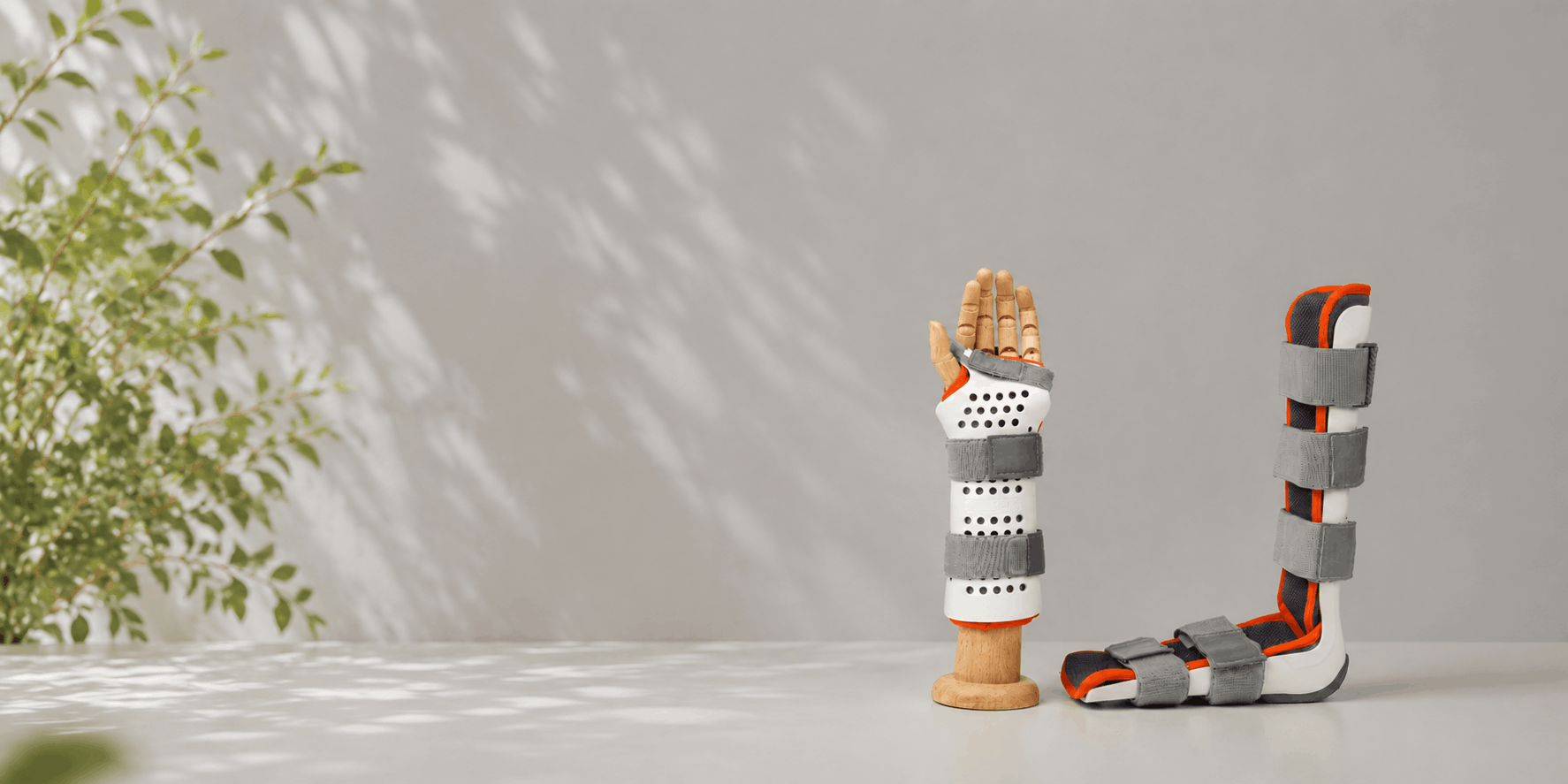


Thumb Injury & Pain: Why Is a 'Thumb Spica Splint' Essential? (From Benefits to Care Guide)
The thumb is an indispensable joint for everything we do—using smartphones, holding cups, gripping steering wheels. When it's injured or painful, daily life can become completely paralyzed.
In orthopedics and rehabilitation medicine, the most commonly prescribed treatment device for thumb injuries is the 'Thumb Spica Splint'. But why is this particular splint necessary? And what precautions should you take when using it?
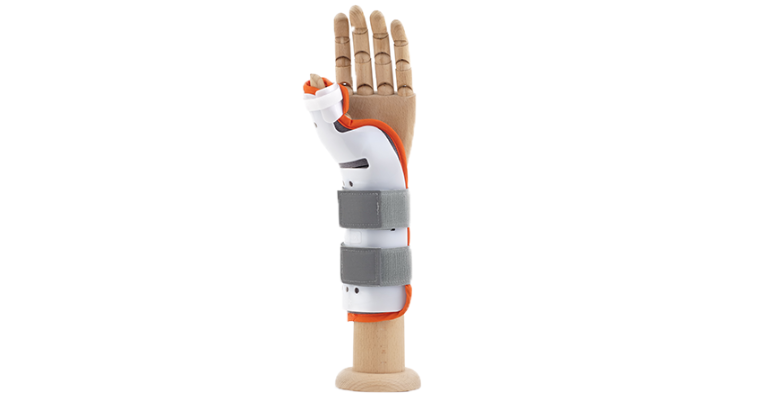
1. What Is a Thumb Spica Splint?
In simple terms, it is a protective brace and splint that immobilizes both the thumb and wrist simultaneously. Unlike splints that only fixate the thumb, the Thumb Spica extends down to the wrist. This is because the tendons and ligaments that move the thumb pass through the wrist and continue into the forearm.
2. Four Key Conditions That Require This Splint
Not all thumb pain is the same. If you experience any of the following conditions, a Thumb Spica splint can help rest the joint:
- De Quervain's Syndrome (Tenosynovitis): Common among people who overuse smartphones or parents who frequently hold their babies after childbirth. When inflammation develops in the tendons at the base of the thumb and wrist connection, causing sharp pain, this splint becomes an effective treatment.
- Skier's Thumb: An injury where the thumb bends backward during a fall in sports activities, causing a rupture of the ulnar collateral ligament (UCL). Complete immobilization is essential until the ligament heals.
- Thumb Fracture and Dislocation: Used to stabilize the area when there is a crack near the first metacarpal bone (lower thumb bone) or when the joint is dislocated, both before and after surgery.
- Protection for Chronic Arthritis: When degenerative arthritis at the base of the thumb causes severe pain during gripping, this splint reduces pressure on the joint.
3. Why Fixate the Wrist for a Thumb Injury? (Anatomical Reason)
Many patients ask: "If only my thumb hurts, why do I need this cumbersome splint that covers my wrist as well?"
The key lies in the structure of the tendons.
The powerful muscles and tendons that extend and flex the thumb are not located inside the finger itself. They run through the wrist and extend into the forearm. Therefore, if you allow the wrist to move freely, the thumb tendons will continuously stretch whenever the wrist moves, preventing the inflamed or ruptured area from healing.
In other words, the thumb can truly rest only when the wrist is immobilized, which is why the Thumb Spica design is used.
4. Essential Practical Guidelines for Splint Wear
Simply wearing the splint doesn't guarantee healing. Poor management can cause skin damage or even stiffen the joints. Follow these guidelines correctly:
-
1) Check Blood Circulation and Compression Level (Immediately After Wearing)
After applying the splint, press your fingertip firmly and release. Your finger should return to its normal color within 2 seconds. If your finger feels numb or cold, the splint is too tight—loosen the band immediately. -
2) Prevent Moisture and Maintain Dryness (Daily Care)
If sweat or water enters the splint interior, it can cause dermatitis or bacterial growth. When washing your hands, remove the splint if permitted by your doctor, dry your hands completely, then reapply. If itching is severe, wearing a thin cotton stockinette underneath can help. -
3) Exercise the Other Four Fingers (Frequently)
The Thumb Spica splint only immobilizes the thumb and wrist. Your index, middle, ring, and little fingers should remain completely free. To prevent stiffness, frequently bend and stretch them with regular stretching.
Warning!
If you treat thumb pain as mild "muscle soreness" and neglect it, the ligament may stretch and become permanently stiff. This can lead to chronic instability where you cannot grip objects properly for the rest of your life. If pain persists for more than one week, or if you notice swelling or bruising, please visit an orthopedic specialist for accurate X-ray and ultrasound examinations.
- • American Academy of Orthopaedic Surgeons (AAOS)
- • Journal of Hand Surgery
- • The American Society for Surgery of the Hand (ASSH)
- • "Orthopedic Splints and Immobilization Techniques" by Raymond G. Cooper and Timothy A. Dornan
If your injury is severe or recovery feels uncertain, consult a medical professional immediately for proper diagnosis.
The information provided in this article is based on general knowledge. However, every individual's situation is different, so seeking advice from a medical professional is the safest approach for any symptoms.

