


True Recovery Begins After Splint Removal:
A Step-by-Step Guide to Prevent Chronic Instability
Many patients think removing the splint marks the end of treatment. In reality, this is when your ligament enters its most vulnerable stage — the Remodeling Phase. Being careless now can cause the ligament to heal in a stretched state, leading to chronic instability.
1. Biological Condition Right After Splint Removal
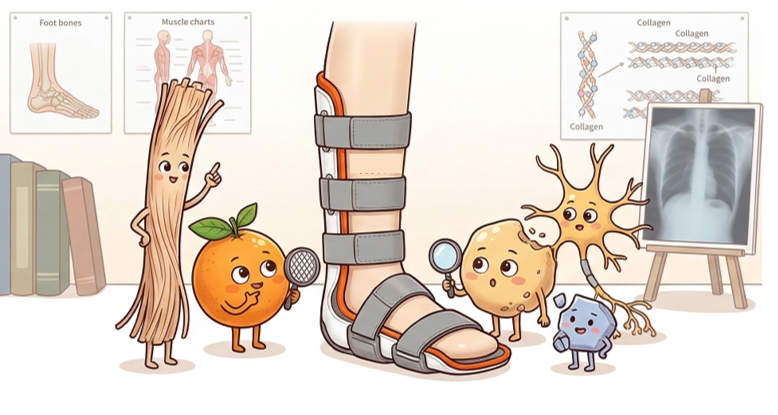
At this point, the weaker type III collagen is gradually being replaced by stronger type I collagen.
- Tissue fragility: Ligament fibers have formed but are not yet fully aligned to resist stress.
- Stiffness: Prolonged immobilization restricts joint range of motion.
- Reduced sensory feedback: Nerve signals that tell your brain the joint position are dulled.
※ Caution: Do not start exercises on your own. Gradually increase range of motion under your doctor’s supervision.
Expert Tip: The intensity of your rehabilitation should be based on ultrasound or MRI findings. Beginning heavy rehab before the ligament is sufficiently healed can cause re-tearing.
2. Key to Preventing Reinjury: Proprioception Training
To prevent another sprain, your brain must accurately recognize your joint’s position through proprioception training.
- Initial stage: Balance on one leg on a flat surface (only with doctor’s approval).
- Advanced stage: Train on unstable surfaces such as a BOSU ball to improve balance control.
3. Importance of Wearing a Brace During Remodeling Phase
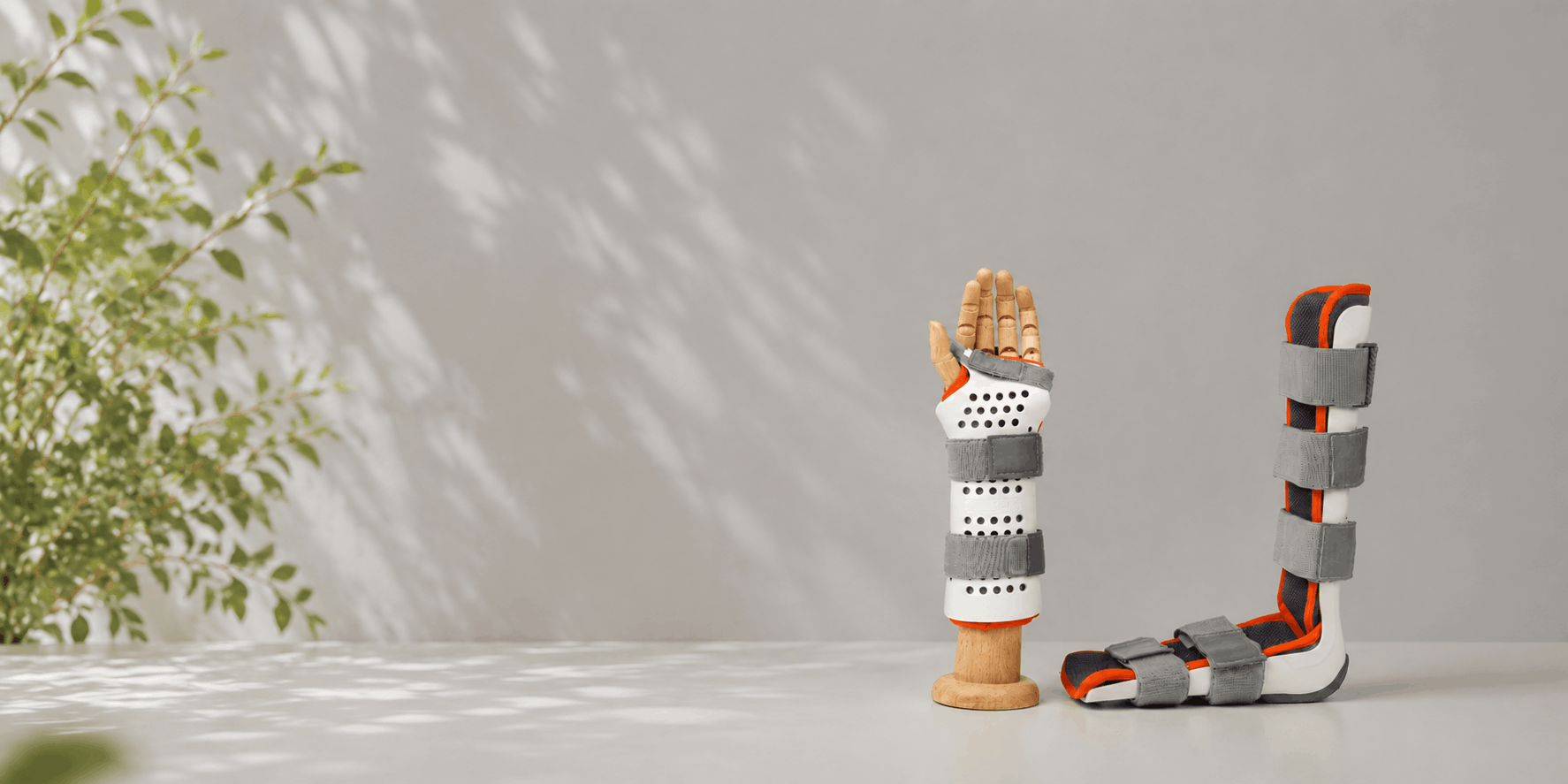
Even after removing the splint, using a precision brace like STARFIX during daily activities or exercises is strongly recommended.
- Mechanical support: Protects maturing type I collagen ligaments from external shock.
- Correct alignment: Adjustable Velcro straps promote proper fiber orientation along the ligament line.
- Comfortable environment: Air-mesh material releases heat and prevents skin irritation during rehab.
References
- Frank, C. B. (2004). Ligament injury, healing and repair. Journal of Musculoskeletal and Neuronal Interactions.
- Papadopoulou, S. K. (2020). Rehabilitation Nutrition for Injury Recovery. Nutrients.
- American Academy of Orthopaedic Surgeons (AAOS). Sprains and Strains Clinical Guidelines.
- Korean Orthopaedic Association. Orthopaedics, 8th Edition: Rehabilitation Guidelines for Ligament Injuries of the Ankle and Foot.

